We spark new robot capabilities — perception, learning and manipulation, from simulation to the real world.
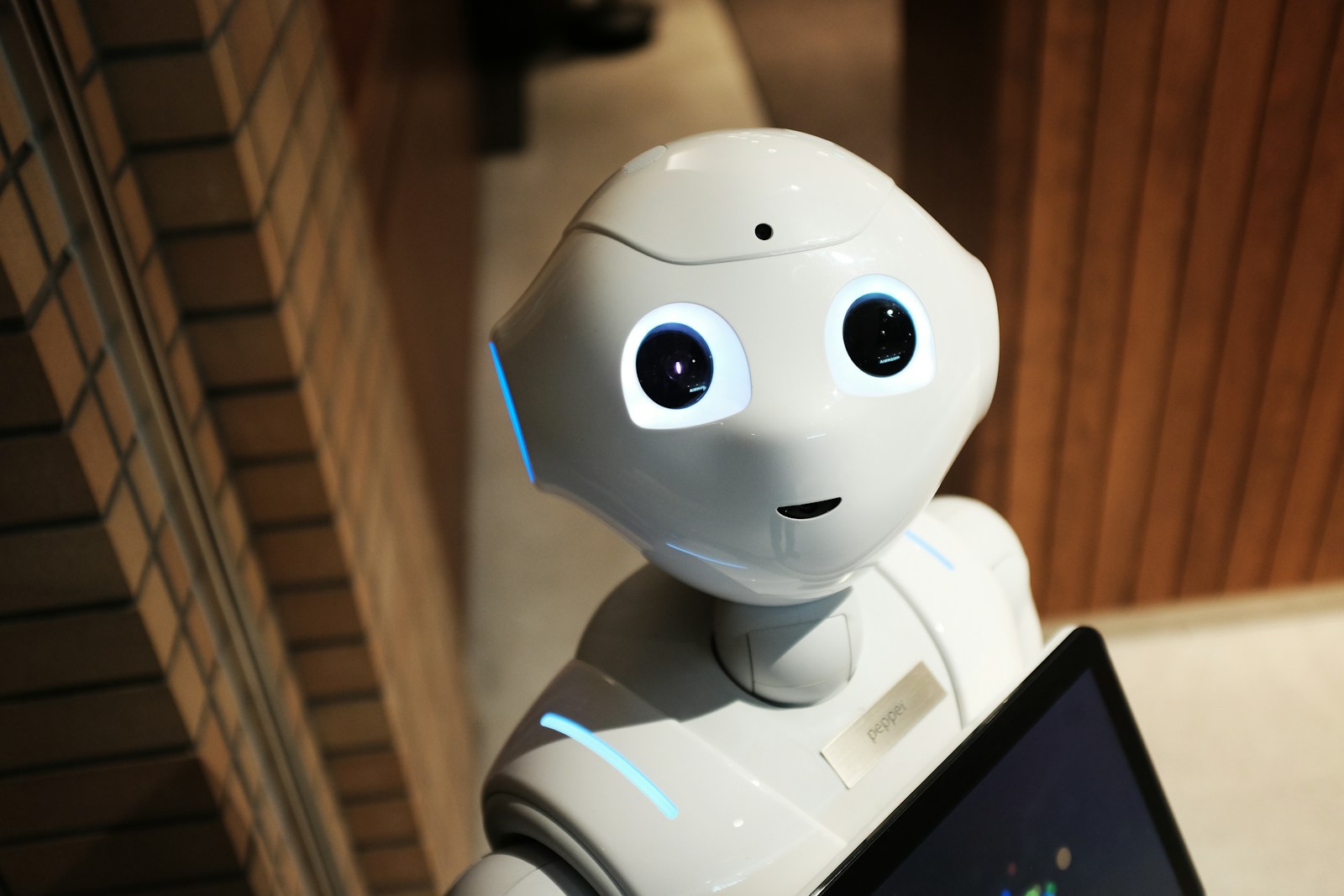
RoboSparkLab is a Canadian AI robotics R&D and prototyping lab in Mount Pleasant, Vancouver. We design perception models, learning policies and manipulation prototypes for organizations — with senior robotics engineers and operators in the loop. We are not a robot store, not Apache Spark, not an electrical science lab, not a consumer toy brand, and we do not promise fully autonomous systems or guaranteed field results.
AI robotics R&D lab · BN 619 054 283 RC0001 · Mount Pleasant, Vancouver
Spark statement
A robotics engineering lab — not a data platform or gadget shop.
When a BC manufacturer asked us why their bin-picking demo worked in Isaac Sim and dropped parts on the real conveyor, we did not blame the lighting and walk away. RoboSparkLab is an AI robotics studio that prototypes computer vision, reinforcement learning and grasping research for clients who need honest answers before they commit capital to a production cell. The .life domain is branding only. Spark means a new robot capability coming to life — not Apache Spark, not spark plugs, not wellness coaching.
We sit between your product team and the hardware: sensor fusion on a bench arm, imitation learning from teleoperation logs, digital-twin experiments before anyone removes a guard. Functional safety, risk assessment and CSA-aware test plans are part of the scope — not a slide deck appendix. Humans stay in the loop for every hardware session; edge inference and real-time control are evaluated, not assumed.
Our robotics R&D lab prototypes AI-powered perception, learning and manipulation for organizations, with qualified engineers and human operators in the loop. Robotic and AI systems are probabilistic; they act in an unforgiving physical world and can err. Nothing is fully autonomous or perfectly safe. Every hardware test requires site-specific risk assessment, functional-safety measures, guarding and trained operators, and compliance with applicable standards (ISO 10218 / ISO/TS 15066, CSA) and local regulations. We are honest about the sim-to-real gap — simulation success does not guarantee field performance. We do not guarantee uptime, throughput, cycle time, zero defects, cost savings or any specific outcome. We do not build autonomous weapons, lethal systems, or tools for unlawful surveillance. Samples and figures reflect past illustrative work, not promises of future performance. This is a professional robotics-engineering services firm — not engineering, legal or safety-certification advice — and we do not buy or sell personal data.
Lab metrics — illustrative
Past project scope only — not a promise of future performance.
Method
Frame → Prototype → Simulate → Evaluate
SIM 01
Frame
We translate your capability gap into testable hypotheses — what the perception stack must see, what the manipulator must tolerate, what safety envelope applies on your floor or in your lab bay.
SIM 02
Prototype
ROS 2 nodes, edge inference pipelines and bench hardware come together in our Mount Pleasant studio. Collaborative robot arms and sensor rigs are configured for repeatable experiments.
SIM 03
Simulate
Digital-twin and sim-to-real transfer runs in parallel with hardware. We document where policies overfit the simulator and where contact physics still lie.
SIM 04
Evaluate
Teleoperation safety checks, human-robot collaboration reviews and quantitative evaluation against agreed criteria — with no guarantee the first prototype becomes a product.

Mount Pleasant lab
Where simulation meets a real gripper.
Our Vancouver engineering lab is built for short iteration cycles: train a perception model on Monday, watch it fail at dusk on Wednesday, adjust augmentation and try again. Kinematics, path planning and grasping research share the same bench — so you are not handed a vision model that nobody tested on your end effector.
Joint detail
Small motions, measured carefully.
Embodied AI prototypes and autonomous mobile robot perception stacks both depend on disciplined evaluation. We log sim hours, hardware trials and operator notes in one engagement record so your team can decide whether to scale, pivot or stop.
Capabilities
Six research lanes in the lab.
J1 → J6
Perception & CV Models
LiDAR, SLAM and vision pipelines tuned for your environment — not generic demo accuracy.
J1 → J6
Manipulation & Grasping
Grasp research for deformable parts, cluttered bins and variable lighting.
J1 → J6
RL / Imitation Learning
Policies trained with human oversight and sim-to-real guardrails.
J1 → J6
Simulation & Sim-to-Real
Digital twins that expose the gap before you buy steel.
J1 → J6
Embodied AI & Autonomy
Autonomy prototypes scoped with functional safety in mind.
J1 → J6
Teleoperation & Evaluation
Human operators remain in the loop while autonomy is tested.
Selected research
Illustrative engagements — anonymised.
Common questions
Three things R&D leads ask first.
Are you Apache Spark or a toy robot company?
No. We are a Vancouver robotics R&D lab. Spark refers to igniting a new robot capability, not big-data software or consumer gadgets.
Will the sim result work on our floor?
Maybe — and maybe not. We document the sim-to-real gap honestly and test with operators present. We do not guarantee transfer.
What does a prototype engagement cost?
Perception pilots from C$18,000; multi-month learning programmes from C$45,000. See FAQ for ranges.
Have a capability that only exists in a slide deck?
Describe the manipulation problem, the sensors available and the safety constraints. We will propose a scoped CAD prototype plan with evaluation criteria — not a guaranteed production outcome.
Bring us a robotics challenge