Work

Illustrative research engagements.

Anonymised stories from the kind of prototyping work we take on. No fabricated client logos, no invented performance guarantees — only the problem shape, our approach and what honest evaluation looked like.

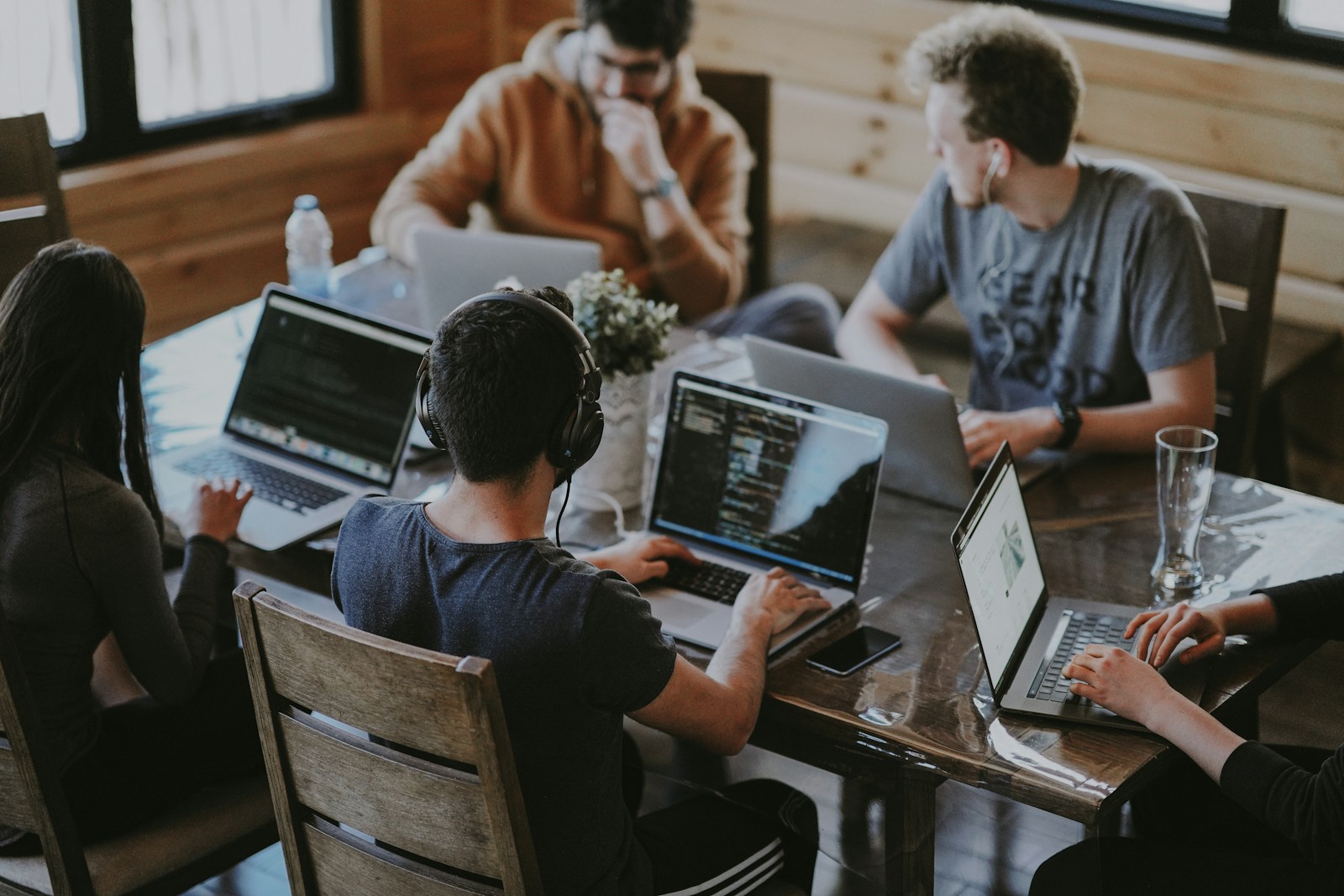
Client workshop at RoboSparkLab Vancouver

Illustrative · BC startup

Bin-picking prototype for mixed-SKU totes

A Vancouver hardware startup had a vision model that worked on flat backgrounds and collapsed when liners reflected overhead LEDs. We reframed the engagement as perception plus grasping research: synthetic clutter with measured BRDF proxies, a two-finger bench arm and operator-supervised picks. After six sim cycles and two guarded hardware weeks, pick reliability improved on their SKU set but not on untested variants — documented explicitly for their investors. Human operators handled every live reset; no unattended runs.
Grasping test with robotic manipulator

Illustrative · deformable goods

Manipulation policy for soft pouches

Deformable objects punish naive grasp heuristics. We collected teleoperation traces, trained an imitation learning policy in sim and measured transfer on a collaborative robot arm with force limiting enabled. The policy handled nominal pouches; seam overlaps still failed at measurable rates. Client received ROS 2 nodes, evaluation logs and a sim-to-real gap memo — not a promise of line-ready automation.

Illustrative · inspection OEM

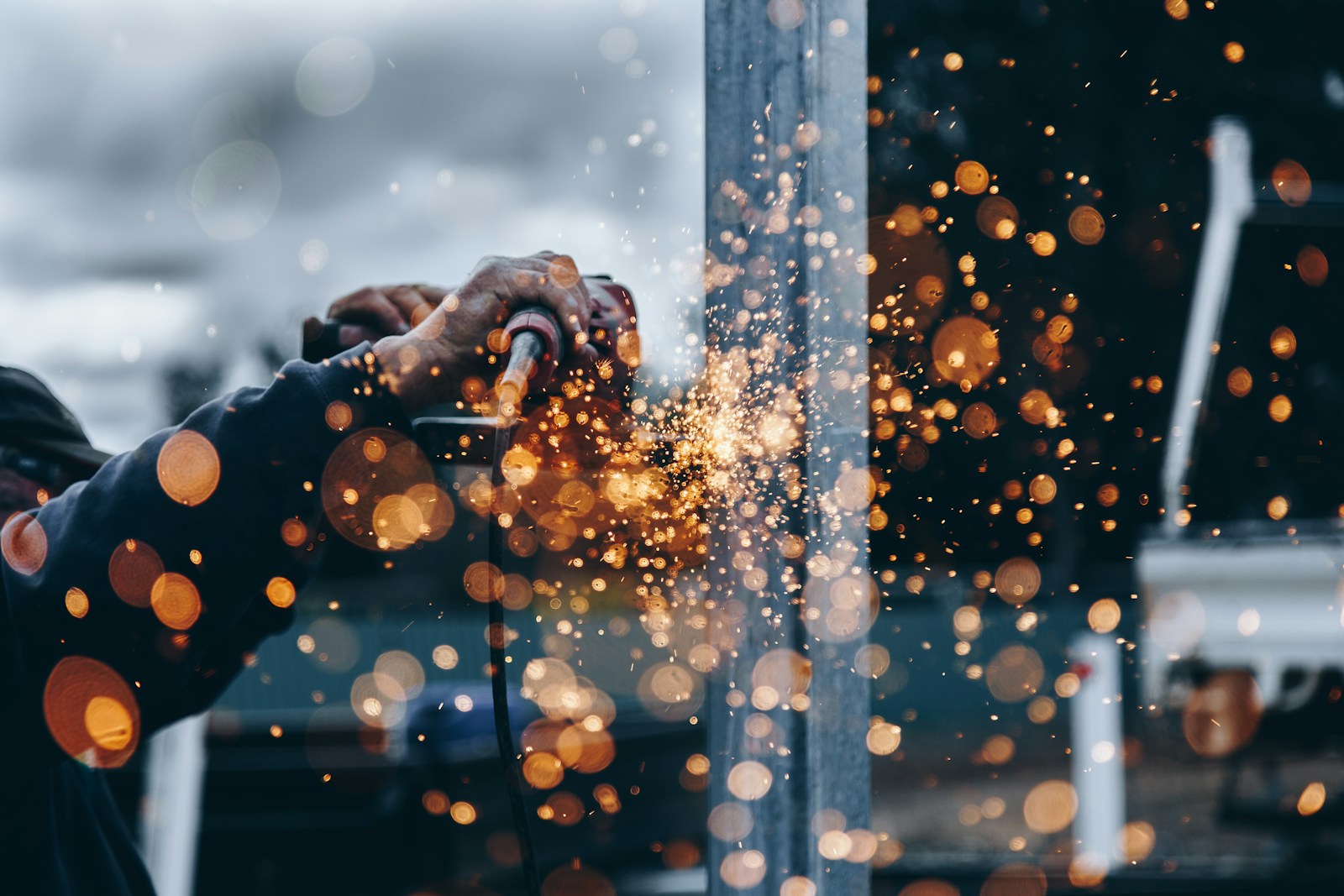
Low-light perception model for weld inspection

An equipment builder needed edge inference on a portable rig where shop lighting varies by site. We fused LiDAR depth cues with a compact vision backbone, ran digital-twin glare scenarios and validated on hardware with CSA-aware guarding on the test stand. Model met agreed precision on held-out seams; recall dropped when operators wore reflective vests — a finding that shaped their deployment checklist rather than being buried.

Evaluation snapshot

Sim hours: 840 · Hardware sessions: 11 · Operator-supervised throughout · No guaranteed field accuracy

Illustrative · logistics pilot

AMR perception stack for narrow-aisle pallets

Autonomous mobile robot perception in tight aisles combines SLAM drift, occlusions and pedestrian traffic. We prototyped a sensor-fusion stack with teleoperation fallback, logging near-miss events for review. Pilot ended with clear go/no-go criteria for a wider fleet trial — not a purchase order for autonomy.

Our robotics R&D lab prototypes AI-powered perception, learning and manipulation for organizations, with qualified engineers and human operators in the loop. Robotic and AI systems are probabilistic; they act in an unforgiving physical world and can err. Nothing is fully autonomous or perfectly safe. Every hardware test requires site-specific risk assessment, functional-safety measures, guarding and trained operators, and compliance with applicable standards (ISO 10218 / ISO/TS 15066, CSA) and local regulations. We are honest about the sim-to-real gap — simulation success does not guarantee field performance. We do not guarantee uptime, throughput, cycle time, zero defects, cost savings or any specific outcome. We do not build autonomous weapons, lethal systems, or tools for unlawful surveillance. Samples and figures reflect past illustrative work, not promises of future performance. This is a professional robotics-engineering services firm — not engineering, legal or safety-certification advice — and we do not buy or sell personal data.

Discuss your challenge